Festivals

unnamed (10)

Dussehra

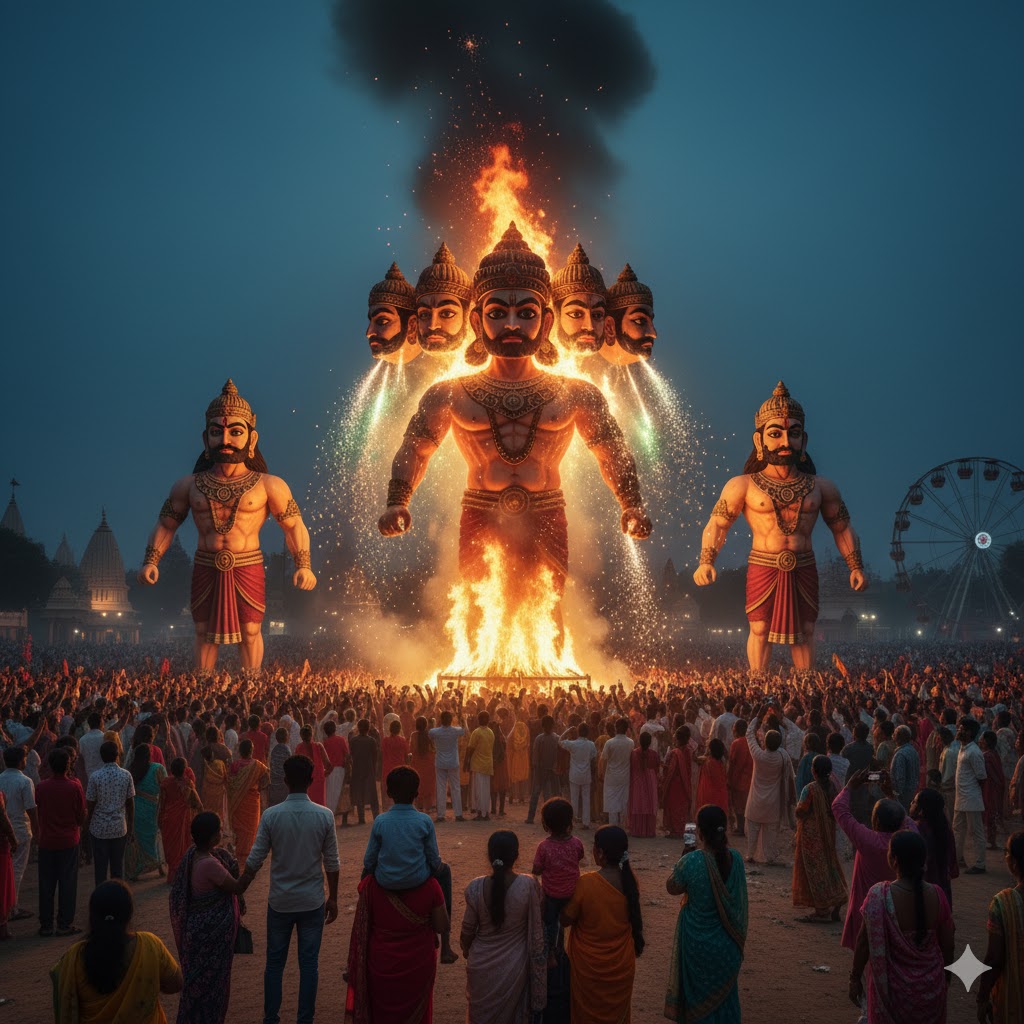
Dussehra, also known as Vijayadashami, is one of the grandest and most auspicious festivals celebrated in East Godavari District. It symbolizes the victory of good over evil, commemorating Lord Rama’s triumph over the demon king Ravana and Goddess Durga’s victory over Mahishasura. The festival usually falls in September or October and is celebrated with devotion, color, and cultural fervor. In East Godavari, the celebrations begin with Navaratri, a nine-day festival devoted to Goddess Durga. During these days, devotees perform special poojas, decorate temples, and participate in cultural programs showcasing classical music, dance, and traditional art forms. The Sri Durga temples in Rajahmundry, Kakinada, Amalapuram, and Draksharamam witness large gatherings of devotees offering prayers and lighting lamps to seek the Goddess’s blessings. On Vijayadashami day, beautifully crafted idols of Durga Devi are taken out in grand processions with devotional chants, music, and drum beats before being immersed in nearby rivers or ponds. Educational institutions also consider this day auspicious for starting new learning activities (Vidya Aarambham). The festival brings together people of all ages, dressed in traditional attire, celebrating the spirit of victory, prosperity, and righteousness. Dussehra in East Godavari is not just a religious celebration but a reflection of the region’s rich cultural heritage, unity, and devotion.
Dussehra Read More »

unnamed (9)

Vinayaka Chavithi

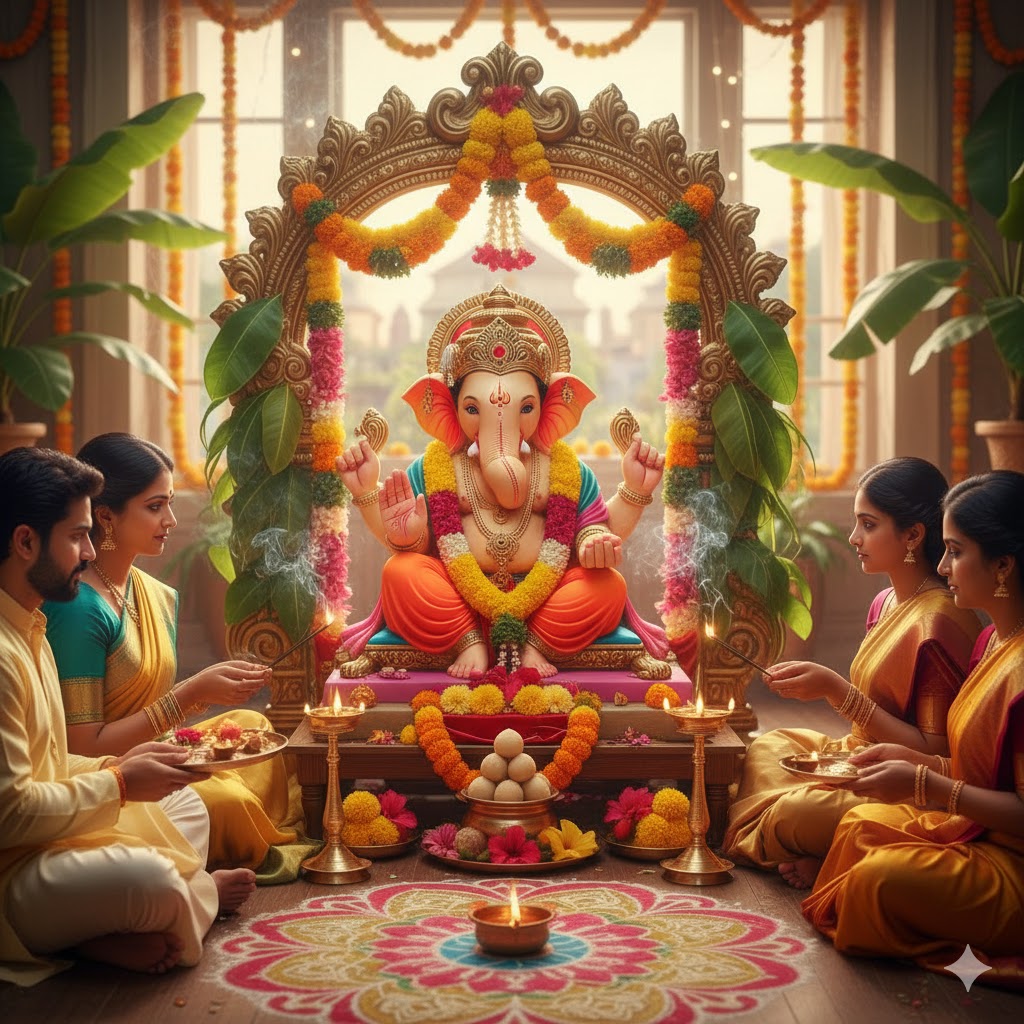
Vinayaka Chavithi, also known as Ganesh Chaturthi, is one of the most popular and widely celebrated festivals in East Godavari District. The festival marks the birth of Lord Ganesha, the remover of obstacles and the god of wisdom, prosperity, and new beginnings. It is usually celebrated in the month of August or September with devotion, enthusiasm, and community spirit. In East Godavari, the festival begins with the installation of beautifully crafted clay idols of Lord Ganesha in homes, schools, offices, and public pandals. The idols are decorated with flowers, durva grass, and traditional ornaments. Devotees perform Ganapathi Pooja with offerings of modaks, undrallu, and other sweets that are believed to be Lord Ganesha’s favorites. Temples and public places in cities like Kakinada, Rajahmundry, and Amalapuram come alive with colorful decorations, devotional music, and cultural programs. Community pandals host daily prayers, bhajans, and social events, bringing people together in celebration. The festival concludes with the Ganesh Nimajjanam, where idols are taken in grand processions and immersed in rivers or the Bay of Bengal, symbolizing Lord Ganesha’s return to his celestial abode. The event is accompanied by chanting, drumbeats, and joyous celebrations. Vinayaka Chavithi in East Godavari reflects the district’s devotion, unity, and artistic expression, making it one of the most anticipated festivals of the year.

Vinayaka Chavithi Read More »

1. httparchives.deccanchronicle.com130412lifestyle offbeatgalleryugadi and new year celebrations around world

Ugadi

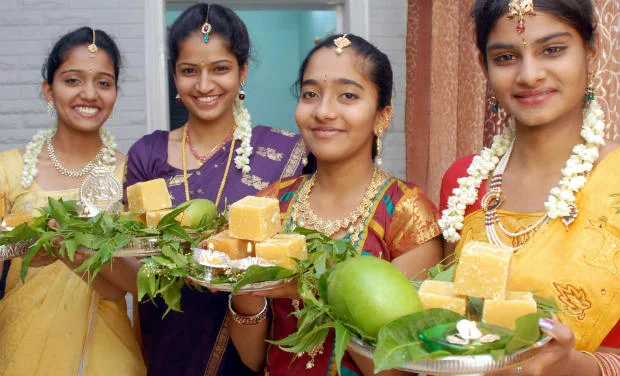
Ugadi, also known as the Telugu New Year, is one of the most significant and joyous festivals celebrated in East Godavari District and across Andhra Pradesh. The word Ugadi is derived from the Sanskrit words Yuga (age) and Adi (beginning), meaning “the beginning of a new era.” The festival marks the start of the Telugu calendar year, usually falling in March or April, symbolizing renewal, prosperity, and positivity. On Ugadi morning, people in East Godavari begin their day with traditional oil baths and wear new clothes. Homes are cleaned, decorated with mango leaves (toranalu) and rangoli designs (muggulu) to welcome good fortune. A special dish called “Ugadi Pachadi” is prepared, made from six ingredients — jaggery, tamarind, neem, salt, chili, and raw mango — representing the six emotions of life: happiness, sadness, anger, fear, disgust, and surprise. This unique mixture teaches that life is a blend of different experiences. Temples such as those in Kakinada, Rajahmundry, and Draksharamam witness special pujas and cultural performances on this day. Families gather to read the Panchanga Sravanam (New Year forecast) and seek blessings for health and prosperity in the coming year. Ugadi in East Godavari is more than just a festival — it’s a celebration of new beginnings, cultural pride, and togetherness, beautifully reflecting the spirit of the Telugu people.

Ugadi Read More »

unnamed (8)

Maha Shivaratri

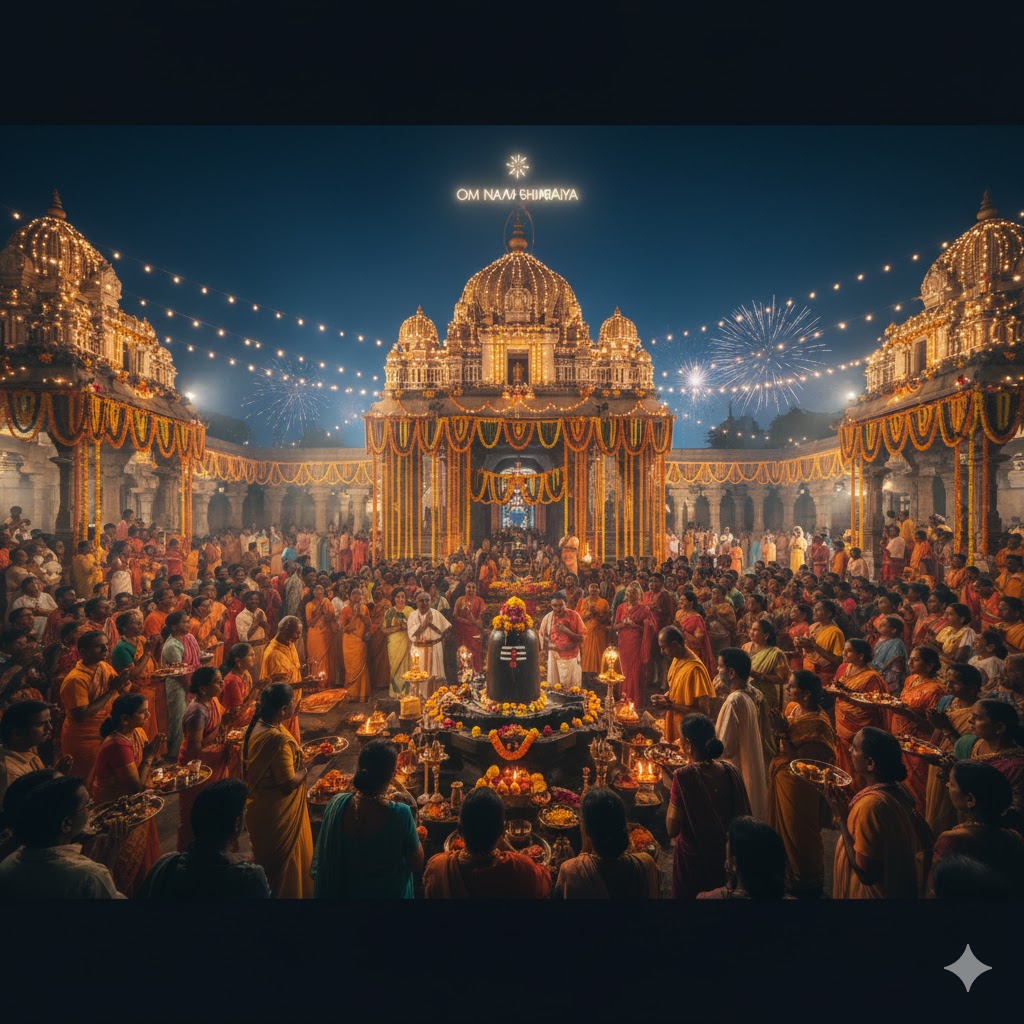
Maha Shivaratri is one of the most sacred and widely celebrated festivals in East Godavari District, dedicated to Lord Shiva. The festival usually falls in the month of February or March, marking a night of deep devotion, fasting, and spiritual awakening. It symbolizes the victory of light over darkness and the union of Shiva and Parvati. In East Godavari, the Draksharamam Temple, one of the revered Pancharama Kshetras, becomes the spiritual center of grand celebrations. Thousands of devotees visit the temple to offer prayers, perform rituals, and chant “Om Namah Shivaya” throughout the night. The temple is beautifully illuminated, and special pujas, abhishekams, and cultural programs are held till dawn. Devotees observe fasting, meditate, and stay awake the entire night in honor of Lord Shiva. The air resonates with the sound of bells, devotional songs, and the fragrance of incense. In villages and towns, small shrines and Shiva lingams are decorated with flowers, bilva leaves, and lamps, creating a divine atmosphere of peace and devotion. Maha Shivaratri in East Godavari is not just a festival—it’s a spiritual experience that connects the people of the district to their deep-rooted faith, culture, and tradition.

Maha Shivaratri Read More »

unnamed (7)

Sankranti

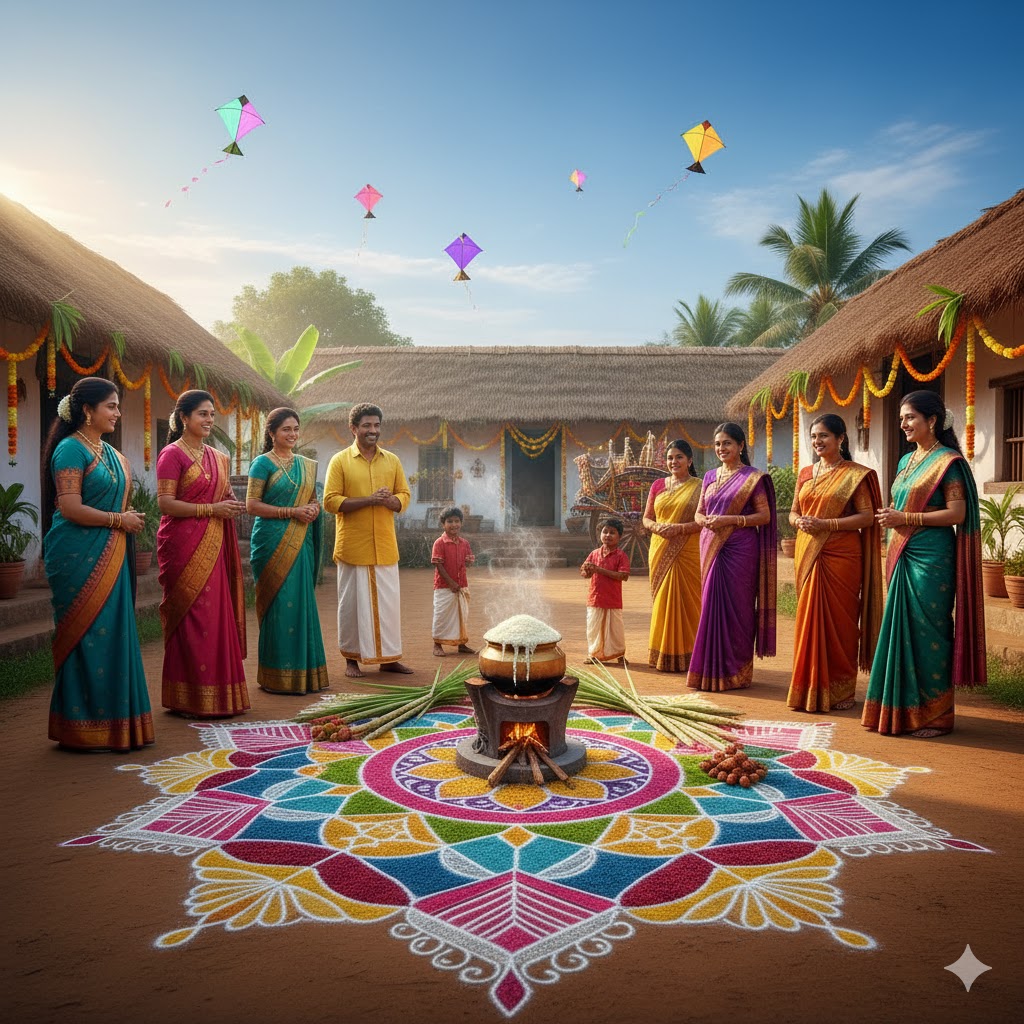
Sankranti (Pongal) – The Harvest Festival of East Godavari Sankranti, also known as Pongal, is one of the most celebrated festivals in East Godavari District, marking the beginning of the harvest season. It usually falls in mid-January and signifies the sun’s transition into the Capricorn zodiac, symbolizing prosperity and abundance. During this festival, farmers express gratitude to nature, cattle, and the Sun God for a good harvest. Homes are decorated with colorful rangoli (muggulu), and traditional rituals are performed. Families prepare the special dish ‘Pongal’, made from freshly harvested rice, milk, and jaggery, which is offered to the gods before being shared with loved ones. Villages and towns across East Godavari come alive with bullock cart races, kite flying, cultural programs, and folk dances that showcase rural charm and joy. The festival brings together communities in celebration, reflecting the district’s deep agricultural roots and cultural unity.

Sankranti Read More »

Listings
News
Home
Jobs
Contact