
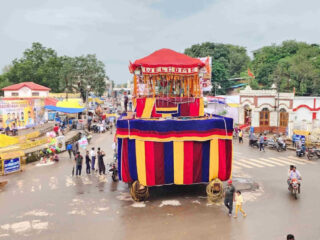
Goncha Festival
Goncha Festival is a unique traditional festival celebrated in the Bastar region of Chhattisgarh. It is mainly observed in Jagdalpur with great enthusiasm and tribal customs. The festival is associated with Lord Jagannath and reflects local cultural traditions. A special ritual called “Goncha” involves people using bamboo-made toy guns and fruit called Goncha as symbolic bullets. Devotees participate in colorful processions and traditional performances. The festival showcases tribal music, dance, and vibrant costumes. It usually takes place around the time of Rath Yatra. Local communities gather in large numbers to celebrate together. The event highlights the rich heritage and unity of Bastar tribes. Overall, Goncha Festival is a lively blend of devotion, culture, and tradition.
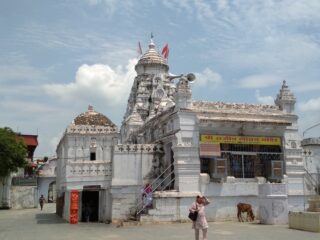
Rajim Kumbh Mela
Rajim Kumbh Mela is one of the most important religious festivals of Chhattisgarh. It is often called the “Prayag of Chhattisgarh” because of the holy river confluence. Thousands of devotees, saints, and Naga sadhus gather here to take a sacred dip in the river. The festival is dedicated to Lord Vishnu and Lord Shiva. Special prayers, yajnas, bhajans, and spiritual discourses are organized during the mela. Devotees believe that bathing here during the festival washes away sins. Cultural programs and religious gatherings add to the spiritual atmosphere. Temporary camps and markets are set up for pilgrims. The event reflects the deep faith and traditions of the region. Overall, Rajim Kumbh Mela is a grand spiritual and cultural celebration of Chhattisgarh.
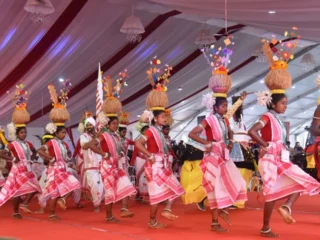
National Tribal Dance Festival
The National Tribal Dance Festival is an annual cultural festival held in Raipur, Chhattisgarh, India. It showcases the rich tribal heritage and traditional dances of various indigenous communities from across the country. Artists from different tribal groups come together to perform colorful and rhythmic folk dances. The festival promotes tribal art, music, costumes, and cultural traditions. It attracts tourists, students, and culture lovers from all over India. Performances include traditional instruments, energetic steps, and storytelling through dance. The event is organized by the state government and cultural departments. It provides a platform for tribal artists to present their heritage on a national stage. The festival creates awareness of tribal cultures and their contribution to India’s diversity. Overall, it is a vibrant celebration of indigenous identity and cultural unity.
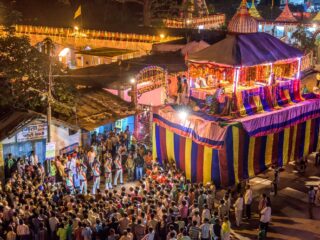
Bastar Dussehra
Bastar Dussehra is one of the longest and most unique Dussehra festivals in India. It is celebrated in Bastar district of Chhattisgarh with great devotion and tribal traditions. Unlike other places, this festival is not centered on Lord Rama but dedicated to Goddess Danteshwari. The celebration lasts for about 75 days, making it the longest Dussehra in the world. Thousands of tribal communities participate in rituals and cultural programs. The grand Rath Yatra (chariot procession) is a major highlight of the festival. Traditional music, folk dances, and vibrant costumes add to the festive spirit. Devotees from across the state gather to witness the rituals. The festival reflects the rich tribal culture and heritage of Bastar. Overall, Bastar Dussehra is a symbol of unity, devotion, and tradition.
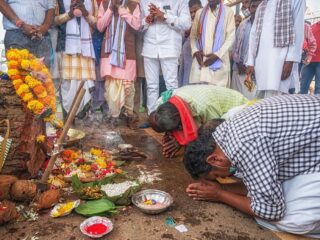
Hareli Festival
Hareli Festival is a traditional agrarian festival celebrated mainly in Chhattisgarh, India during the Shravan month of the Hindu calendar, typically in July–August. It marks the beginning of the monsoon season and is one of the first major festivals of the year in the state. Farmers worship their agricultural tools, cattle, and land to thank nature and pray for a good harvest. The word Hareli comes from Haryali, meaning greenery, symbolizing lush fields during monsoon. People hang neem branches on their homes and fields for protection and health. Traditional rural games like Gedi (bamboo stilt walking) and coconut-throwing are popular activities during celebrations. Families prepare special food and offer prayers to deities associated with crops and nature. Folk dances, music, and community gatherings add to the festive mood in villages and towns. Children and youth take part in playful competitions and rituals. The festival represents gratitude, nature worship, community bonding, and the agricultural heritage of Chhattisgarh.